Why double glazing turns misty between the panes
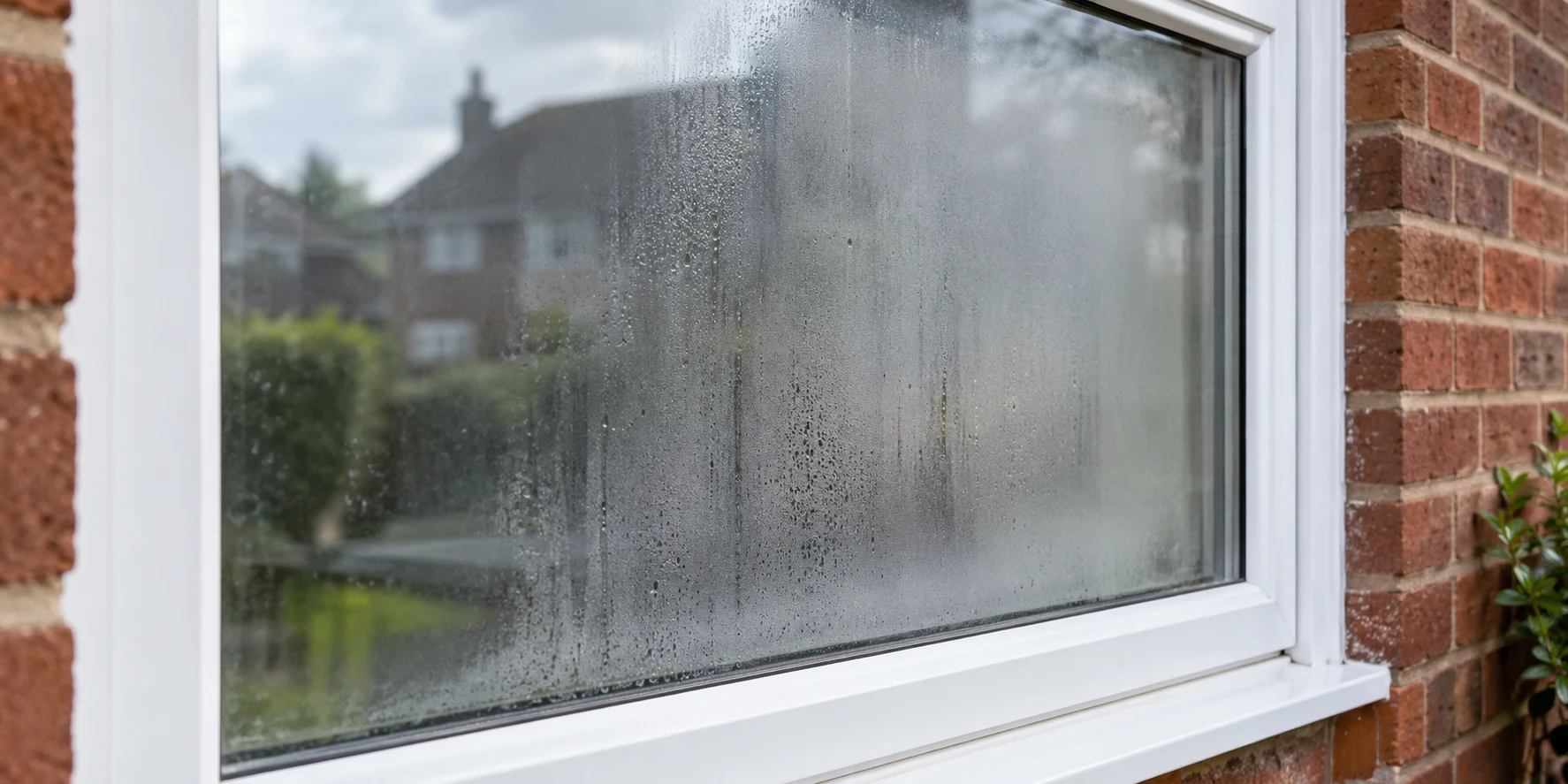
Double-glazed windows are built to keep your home warm and quiet by trapping a layer of air or gas between two panes of glass. That sealed space is the key to their insulation. But when moisture appears between the panes, it means the seal has failed. The window no longer works as it should, and the foggy look is not just unsightly: it signals that the insulating glass unit has lost its performance. This article explains what causes that misting, what it means for your home, and what your options are when it happens.
How an insulating glass unit is built
A modern double-glazed window is made from two panes of glass separated by a spacer bar, often filled with a drying agent. The whole assembly is sealed around the edges with a primary and secondary seal that keeps moisture out and holds the insulating gas inside. That is why it is called an insulating glass unit. When the unit is new, the air or gas inside is dry, so no condensation forms even when the outside temperature drops. The perimeter seal keeps it that way for years, but nothing lasts forever.
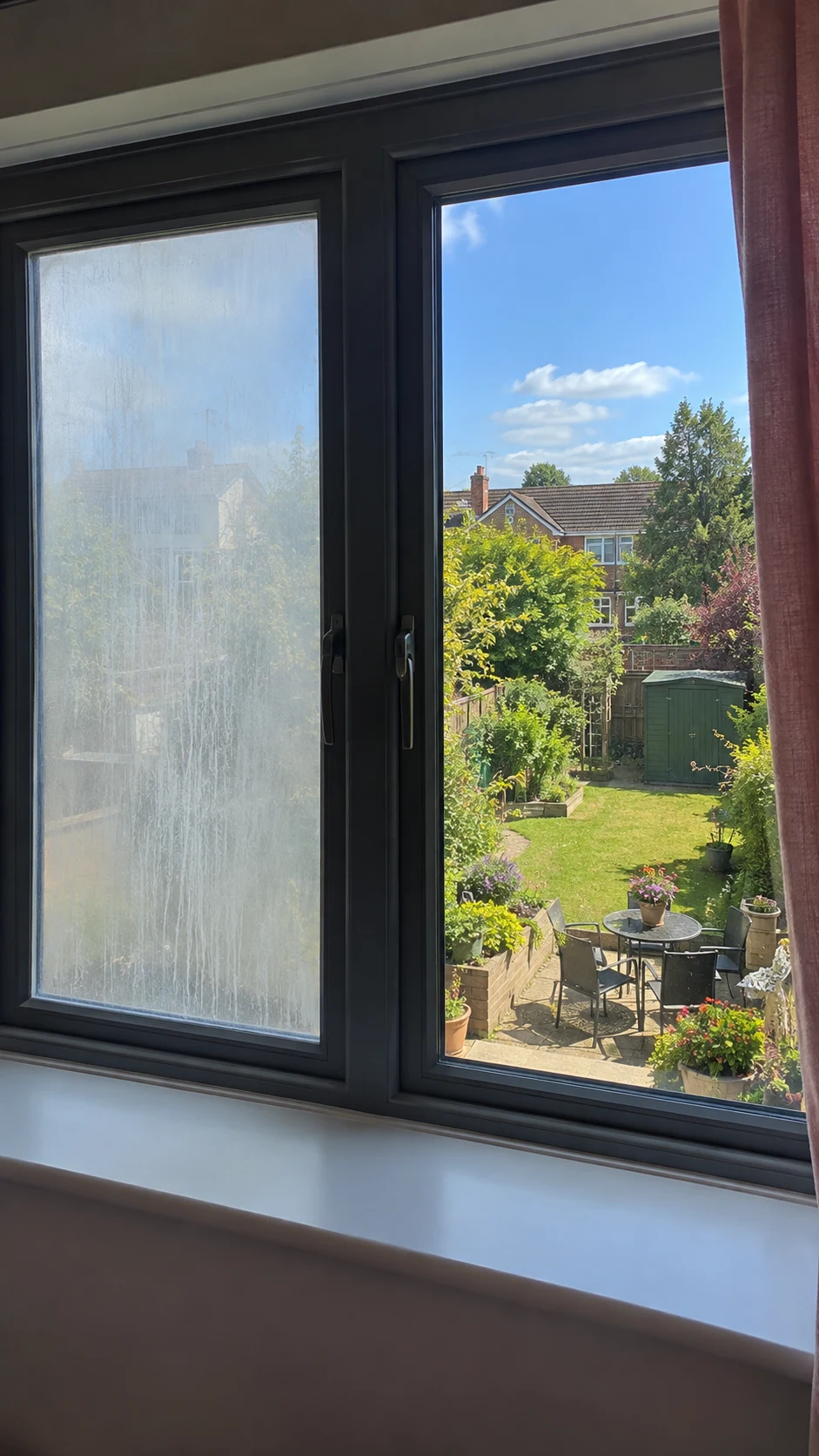
The spacer bar also holds a desiccant, a material that absorbs any trace moisture that might have been trapped during manufacture. Over time, the seal can degrade, allowing water vapour to enter. Once that happens, the desiccant becomes saturated and can no longer keep the air dry. On a cold day, the moisture inside the unit condenses on the cooler inner surface of the glass, creating the mist or droplets you see. This is the same physics that causes condensation on a single-glazed window, except now it is happening between the panes where you cannot simply wipe it away.
Why the seal fails
Seal failure is usually caused by age, exposure, or manufacturing defects. The sealant around the edges of the unit can break down under the sun's ultraviolet light, especially if the window faces south or west. Temperature changes cause the glass and the spacer to expand and contract at different rates, putting stress on the seal. Over many years, this cycle can create tiny gaps that let moisture in. Sometimes the failure is due to a poor original installation: if the unit was not properly supported or was fitted with too much pressure on the edges, the seal may have been compromised from the start.

Another common cause is damage to the glass itself. A small chip or crack can let air into the sealed cavity. Even if the glass looks intact, a hard knock near the edge can break the seal without cracking the visible pane. That is why you sometimes see misting appear after a storm or after window cleaning, when a ladder or tool has bumped the frame.
What misted glass means for your home
Once the seal is broken, the unit no longer insulates effectively. The trapped gas that provided thermal performance has been replaced by damp air. Your heating system has to work harder to keep the room warm, and you may notice a draught near the window even when it is closed. The condensation itself can also cause problems: if the moisture inside the unit freezes in very cold weather, the ice can push on the glass and worsen the crack or seal failure.
Misted double glazing does not have to be replaced immediately, but it is a sign that the window has lost most of its energy efficiency. Over time, the appearance gets worse, and the unit may eventually let in dirt or even small insects. For homeowners, the best time to act is before the fogging becomes severe, because a unit that is still mostly clear can often be swapped out without damaging the frame.
Can misted double glazing be repaired?
In most cases, the answer is no. The sealed unit is designed as a single component, and once the seal is broken, there is no practical way to restore it. You cannot simply dry out the air gap and reseal it from the outside. The desiccant is already saturated, and any attempt to patch the seal usually fails within a few months. The standard fix is to replace the insulating glass unit itself, not the whole window frame. A glazier can measure the existing unit, order a new one to match, and fit it into the existing frame. The frame and sash can stay in place, so the job is usually quick and relatively straightforward.
For a small number of older windows, especially those with wooden frames, the unit might be repairable by a specialist, but that is rarely cost-effective. For modern uPVC or aluminium frames, replacement of the sealed unit is the only reliable solution. The cost varies depending on the size of the pane, the type of glass (toughened, laminated, or standard), and whether the glass needs to be matched to an existing pattern or coating. A glazier can give you a price after inspecting the window.
When to call an emergency glazing service
Misted double glazing is not usually an emergency. It develops slowly, and the window remains secure. However, there are times when a broken seal turns into a safety issue. If the misting is accompanied by a cracked pane, or if the unit has been damaged by a storm or an accident, the glass may be weakened. In those cases, the window could shatter or fall out of the frame. A locksmith or glazier who offers emergency glazing can attend quickly to board up the opening and arrange a replacement unit. The same applies if the misting is so heavy that you cannot see through the window, which can be a problem for fire escape routes or for rooms that need natural light.
Arriva Locksmiths provides 24 hour emergency, domestic, commercial, automotive locksmith and glazing services in Cannock and within 25 miles. If you have a window that is misted and also damaged, or if you need a fast replacement, a call to a local glazing service can get the job done without delay.
What to check before replacing
Before you arrange a replacement, it is worth checking the whole window. The seal failure might be a symptom of a bigger problem with the frame or the hinges. Look at the outer edge of the unit: if the sealant is cracked or missing, that is a clear sign. Also check the window handle and hinges. A window that does not close properly can put extra stress on the glass unit, especially if the sash is warped. Fixing the alignment first can prevent the new unit from failing prematurely.
If the window is part of a set, for example a bay window with several units, check the others too. They were all installed at the same time and have experienced the same weather, so if one has failed, the others may follow soon. Replacing them all in one go can save on callout fees and keep the windows looking consistent.
Preventing future misting
You cannot stop the seal from ageing, but you can slow it down. Keep the window frame and hinges clean and free of debris so that the unit is not stressed by a tight or misaligned sash. Avoid pressure-washing the windows, especially around the edges, because high-pressure water can force its way past the seal. If you notice a small chip in the glass, have it repaired promptly before it lets moisture in. And when you replace a unit, choose a quality product with a good warranty. A well-made insulating glass unit can last 15 to 20 years or more, depending on the climate and the exposure.
Arriva Locksmiths can advise on suitable replacement units and arrange fitting. Their team covers the Cannock area and a 25-mile radius, so for most homeowners in that region, help is not far away.
Misted glass is a clear signal
When double glazing fogs up between the panes, it is telling you that the window has lost its insulating ability. The fix is a new sealed unit, and the sooner you replace it, the more you save on heating bills. For most people, the process is simple: a glazier measures the old unit, orders a matching one, and fits it into the existing frame. The result is a clear, warm, and efficient window that will serve for many years.